Recycling and Sustainability for Gardeners Denmark Hill
 At Gardeners Denmark Hill, sustainability is part of how we plan, work, and maintain outdoor spaces across the local area. From garden clearances and seasonal tidy-ups to ongoing landscape care, our approach is built around responsible recycling, reduced waste, and lower-emission transport. We aim to support greener routines that reflect the expectations of households, estates, and community spaces in South London, while keeping materials in circulation wherever possible.
Our recycling and sustainability strategy starts with a clear recycling percentage target: we aim to divert at least 85% of green waste and suitable reusable materials away from landfill. That target covers a wide range of recyclable garden outputs, including branches, hedge cuttings, leaves, soil, plant pots, timber offcuts, and selected hard landscaping materials. By separating waste carefully at the point of collection, our gardeners in Denmark Hill can reduce contamination and improve the quality of material sent for processing.
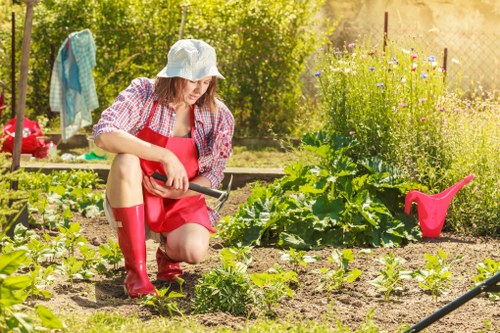 A big part of this work depends on the local boroughs’ approach to waste separation, which encourages sorting materials into different streams rather than treating everything as general rubbish. In practical terms, that means looking closely at what can become compost, what can be reused, and what should be taken to specialist processing. The same principle applies to our own jobs: the more accurately items are separated, the more likely they are to be recycled efficiently and turned into useful new products.
We also make regular use of local transfer stations to keep waste moving through the right channels. Depending on the type of material collected, loads may be taken to nearby facilities serving Southwark, Lambeth, or the wider inner-London network, where they can be sorted, baled, chipped, or forwarded for recycling. This matters for larger clearances, because it allows garden waste, mixed recyclable debris, and inert materials to be handled in a controlled and compliant way rather than being stockpiled or disposed of inefficiently.
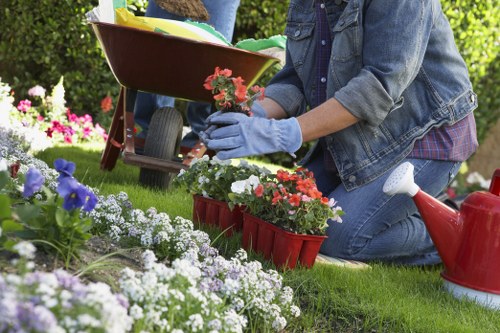 For many projects, the main focus is on green waste recycling. Tree prunings, hedge trimmings, lawn cuttings, and dead plant matter can often be processed into mulch or compost feedstock. Where suitable, wood-based materials are also separated for further recycling, helping to conserve resources and reduce unnecessary disposal. In a dense urban area like Denmark Hill, this kind of circular thinking supports healthier planting schemes and keeps the environmental footprint of routine maintenance as low as possible.
We place equal importance on partnerships with charities and community organisations. Usable items removed during garden work, such as intact pots, outdoor furniture, decorative containers, or serviceable timber pieces, may be passed on to charities where they can support reuse projects rather than being discarded. This is especially valuable when working on larger properties or shared gardens, where a mix of materials can often be recovered and given a second life. The result is less waste and more benefit for local community initiatives.
Our sustainability commitments also extend to transport. We operate low-carbon vans that are designed to reduce emissions across local journeys, whether we are travelling between jobs, visiting transfer stations, or delivering materials for reuse. Choosing modern, efficient vehicles helps cut fuel use and supports a cleaner service overall. For a busy area with regular stop-start traffic, efficient routing and lower-emission transport make a noticeable difference to the environmental impact of everyday garden maintenance.
Another important aspect of the service is how we handle mixed outdoor materials during garden clearance. Soil can sometimes be screened and reused, bricks or paving fragments may be separated for specialist recycling, and untreated timber may be sent into the wood recycling stream. Even simple actions, such as removing plastic ties, broken canes, and damaged nursery packaging from compostable waste, improve the outcome. These small steps align with borough waste separation practices and help ensure more material is recovered properly.
We also look carefully at the lifecycle of routine supplies. Where possible, we prefer recyclable or reusable packaging, reduce single-use items, and plan jobs to minimise excess transport and unnecessary disposal. In horticultural work, the little decisions matter: reusing plant supports, sorting plant containers, and collecting waste in the correct batches all contribute to a more sustainable result. This is part of what makes Gardeners Denmark Hill recycling practices effective rather than symbolic.
 For site owners and property managers, this responsible approach offers a practical way to maintain attractive green spaces while keeping environmental performance in view. Whether the task is a one-off clearance, ongoing grounds maintenance, or post-season tidy-up, our waste handling methods are designed to support local recycling systems and reduce the amount sent for disposal. The emphasis is always on making the best use of each material stream and supporting the borough’s wider sustainability goals.
In a neighbourhood where gardens, courtyards, and communal spaces often sit alongside busy streets and residential developments, sustainable maintenance needs to be straightforward and dependable. That is why our recycling process is integrated into the work itself rather than added at the end. By planning ahead, separating waste carefully, and using local facilities, we can keep services efficient while still protecting the environment. This makes recycling for gardeners in Denmark Hill both practical and effective.
 Looking ahead, we continue to strengthen our sustainability measures through better waste segregation, smarter logistics, and broader reuse opportunities. Our aim is to remain a gardeners Denmark Hill service that values the landscape and the community equally: high recycling rates, partnerships that help others, and lower-carbon vans all play a role in that commitment. With each project, we work to make outdoor care cleaner, greener, and more responsible.