SE5 gardeners for terraces on Dog Kennel Hill
Terrace gardening in SE5 can be wonderfully rewarding, but let's be honest, it also has its quirks. Wind funnels between buildings, shade appears where you didn't expect it, and containers dry out faster than you'd like on a bright afternoon. If you're looking for SE5 gardeners for terraces on Dog Kennel Hill, you probably want more than a few plant suggestions. You want a terrace that looks intentional, feels usable, and keeps working through the seasons without becoming a chore.
This guide walks through how terrace gardening works in this part of south London, what to prioritise, which mistakes to avoid, and how to get a better result whether you have a compact balcony-style terrace or a larger roof-level space. We'll also look at maintenance, practical materials, plant choices, and the kind of support local gardeners can bring when a space needs calm, structure, and a bit of proper know-how.
For readers who want to explore broader help beyond terrace planting, the wider gardening services and garden maintenance pages are useful starting points, especially if your terrace is only one part of a bigger outdoor plan.
Why SE5 gardeners for terraces on Dog Kennel Hill Matters
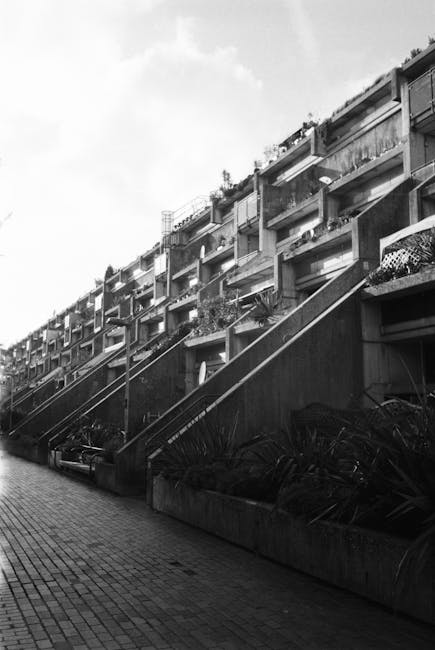
Terraces on Dog Kennel Hill and across SE5 often sit in exposed, layered urban settings. That sounds poetic, and sometimes it is, but practically it means a terrace can deal with wind, heat reflection from brick and paving, awkward shade from neighbouring buildings, and limited root space. A good terrace garden doesn't fight those conditions. It works with them.
This matters because many terrace projects fail for the same reason: they are designed like a normal garden squeezed upward. In reality, terrace spaces need a different logic. Weight has to be considered. Drainage has to be right. Planting has to suit containers, not borders. Privacy may matter as much as colour. And the space usually needs to serve more than one purpose at once-seating, planting, screening, maybe even a little storage. That's a lot for a small footprint.
Experienced SE5 gardeners understand those tensions. They can help you turn an awkward outdoor platform into something steady and lived-in, rather than a collection of pots that look fine for three weeks and then start sulking. In our experience, the best terrace gardens are rarely the flashiest. They're the ones that are quietly well planned.
A useful starting point for anyone building from scratch is container gardening guidance, because terraces almost always depend on the right pot, the right compost, and the right watering rhythm.
How SE5 gardeners for terraces on Dog Kennel Hill Works
The process is usually straightforward, but the thinking behind it should be careful. A good terrace project tends to follow a sequence like this:
- Assess the space - measure usable floor area, note light patterns, check access points, and look at wind exposure.
- Understand the lifestyle need - do you want a peaceful retreat, a place for dinner with friends, privacy from nearby windows, or a greener view from inside the flat?
- Choose the structural elements - containers, rail planters, screening, seating, decking, trellises, or simple paved zones.
- Select plants for the conditions - shade, sun, partial shade, dry wind, or a more sheltered corner all call for different planting.
- Plan maintenance properly - terraces are often low in soil volume, so they need regular watering, feeding, pruning, and seasonal resets.
The real skill is balancing aesthetics with practical constraints. A terrace can look tidy and still fail if the pots are too small, the drainage is poor, or the plants are constantly battered by wind. On the other hand, a modest space with well-chosen evergreen structure, a few seasonal highlights, and decent furnishings can feel genuinely restful.
If you're trying to create shelter or soften a hard outlook, it can help to read about evergreen climbers for shade and structure and quick-growing hedges for enhanced privacy. Even if your terrace uses pots rather than in-ground planting, the principles still apply.
Key Benefits and Practical Advantages
A well-designed terrace garden offers more than visual appeal. The benefits are often practical and emotional at the same time, which is probably why people get so attached to them.
- Better use of a small space - vertical layering, planters, and seating can make a terrace feel bigger than it is.
- Privacy without heavy construction - screens, climbers, and carefully placed containers can soften overlooking windows.
- More comfort outdoors - a terrace with structure, shade, and planting feels more inviting in both summer and shoulder seasons.
- Lower maintenance than a full border garden - if designed properly, a terrace can be easier to manage than a sprawling garden, especially for busy households.
- Seasonal flexibility - containers can be replanted, moved, or refreshed without major disruption.
- Better resilience - thoughtful layout helps protect plants from wind and helps prevent expensive mistakes like waterlogging or cracked pots.
There's also a softer benefit that people don't always mention. A terrace garden can make the property feel calmer from the inside. Even a single view of ivy-free, tidy planting from a kitchen window can change the mood of a flat. Truth be told, that counts for a lot on a grey Tuesday morning.
For those wanting a more sustainable approach, the article on sustainable gardening is a good companion read. Small choices like peat-free compost alternatives, drought-tolerant planting, and reusing containers can make a terrace more responsible and easier to run.
Who This Is For and When It Makes Sense
SE5 gardeners for terraces on Dog Kennel Hill make sense for a wide range of people, but particularly for those whose terrace is underused, exposed, or visually disconnected from the rest of the home.
This approach suits you if:
- you have a terrace that feels bare, bright, and echoey;
- your pots dry out too quickly, or the plants never seem happy for long;
- you want privacy from neighbouring windows or nearby outdoor spaces;
- you need a low-maintenance scheme that still looks polished;
- you want a terrace that works for relaxing, eating, or entertaining;
- you're dealing with awkward shade, wind, or a mix of both;
- you want to improve the space without taking on a full landscaping project.
It also makes sense if you've already tried the DIY route and found the same thing many people do: the plants were fine, but the whole terrace still felt unfinished. That usually means the issue isn't just planting. It's layout, proportion, and timing.
For larger makeovers, some households begin with a broader refresh and then refine the terrace later. If that sounds familiar, the page on turning a neglected garden into a stunning oasis can help you think more strategically about the transformation process.
Step-by-Step Guidance
If you're planning a terrace project, don't start with the prettiest plant you can find. Start with the bones of the space. That's the part most people skip, and then they wonder why the result feels slightly off.
1. Map the conditions
Spend time observing the terrace at different points in the day. Note where the sun lands in the morning, where the shade settles by late afternoon, and which corners feel gusty. A ten-minute look is not enough. If possible, check it over a few days. Morning and evening can feel like different gardens.
2. Decide the main use
Ask the practical question: what should this terrace do most of the time? A reading nook needs comfort and shade. A dining terrace needs circulation space. A family terrace might need hard-wearing surfaces and secure edges. A planting-led terrace needs enough room for pots to breathe and be accessed for watering.
3. Build in structure first
Choose larger containers, screening, seating, and any fixed elements before filling the space with smaller accessories. Bigger elements anchor the whole design. They also help avoid that over-cluttered look that can happen when every item is chosen separately.
4. Pick plants by function
Think in categories:
- screening plants for privacy and height;
- structure plants for year-round form;
- softening plants to break up hard surfaces;
- seasonal plants for colour and freshness;
- practical plants such as herbs, if you want a useful edible element.
If you want useful edible ideas, the page on herb gardening is especially handy for terraces, because herbs work well near kitchens and patios where you can pick them easily.
5. Sort drainage and watering early
Terraces can be tricky because pots need drainage, but they must not leak messily across the surface. Use quality compost, suitable pot feet where needed, and a watering plan that matches the weather. In summer, containers may need daily attention. In winter, they need less water but more monitoring for saturation and frost damage.
6. Add finishing touches last
Once the structure and planting are in place, bring in lanterns, cushions, a small side table, or a bench. That order matters. Otherwise, you end up decorating a problem rather than solving it.
Expert Tips for Better Results
Here's the stuff that tends to separate a decent terrace from one that genuinely feels considered.
- Use repetition wisely. Repeating two or three plant types across the terrace creates calm. Too many different textures can make a small space feel busy.
- Go one size larger with containers. Bigger pots usually stay moist longer, give roots more room, and look more settled.
- Think vertical. Trellises, climbers, and tiered shelving can add depth without taking away floor space. The article on space-saving vertical gardening is worth a look for this exact reason.
- Choose wind-smart plants. Soft, floppy plants often struggle on exposed terraces unless they're sheltered. Tougher evergreen forms tend to do better.
- Keep a "reset" corner. It sounds tiny, but leaving one area simple makes it easier to refresh the space between seasons.
- Make maintenance easy to reach. If a plant is awkward to water or deadhead, it will slowly become annoying. And then it will be neglected. It happens.
One small but practical detail: use containers with enough weight or stability for exposed spots. A lovely lightweight pot can become a nuisance in a strong gust. Decorative is nice. Toppling over at 7 a.m. is not.
If your terrace needs a more restful mood overall, consider reading about zen gardening techniques. That approach can help you strip the design back to something more balanced and easier on the eye.
Common Mistakes to Avoid
Terrace gardening has a few repeat offenders. If you avoid these, you're already ahead of the game.
- Choosing plants for appearance only - the prettiest plant in the nursery may be a poor fit for sun, wind, or drought.
- Using pots that are too small - small containers dry out fast and limit root growth.
- Ignoring weight limits - this is especially important on upper terraces and roof spaces.
- Overcrowding the layout - too many pots make maintenance harder and reduce usable seating space.
- Forgetting winter behaviour - frost, waterlogging, and cold wind can be more damaging than summer heat.
- Leaving maintenance for "later" - terrace plants often need more consistent attention than people expect.
There's also a design mistake that's surprisingly common: making the whole space look temporary. A terrace can end up feeling like a collection of bits and pieces rather than a coherent place. The fix is usually simpler than people think. Fewer containers, better placed, and stronger structure.
If ivy has become part of the problem rather than the plan, the guide on achieving an ivy-free garden may be helpful, especially where older growth is climbing where it shouldn't.
Tools, Resources and Recommendations
You do not need a huge shed of equipment to look after a terrace. But a few well-chosen items make life much easier.
| Item | Why it helps | Good use on terraces |
|---|---|---|
| Watering can or hose with control | Helps deliver water accurately to containers | Useful where run-off needs to be managed carefully |
| Quality compost | Supports healthy root development and moisture retention | Essential for all container planting |
| Secateurs | Keeps dead growth and soft pruning manageable | Handy for herbs, climbers, and compact shrubs |
| Sturdy container supports | Improves drainage and prevents staining | Useful on paving, decking, and balconies |
| Gloves and a kneeling pad | Makes routine maintenance less of a faff | Useful if your terrace has a lot of pots |
A good mindset matters as much as the tools. A terrace garden works best when you treat it like a living room outdoors, not a one-time decorating project. It needs regular small adjustments. A pot turned toward the light, a stem tied in, a tired plant replaced, a cushion brought in before rain. All that ordinary stuff.
If you are building on a budget, the article on low-maintenance gardening on a shoestring budget is a useful companion. It helps you prioritise where to spend and where to keep things simple.
Law, Compliance, Standards, or Best Practice
For terrace work, the most important compliance concerns are usually practical rather than dramatic. Weight loading, safe access, drainage, and fire awareness tend to matter more than anything else. If your terrace is part of a flat, leasehold, or shared building, it is sensible to check any property-specific restrictions before adding heavy structures, fixed screens, or major decking. That part isn't glamorous, but it saves headaches later.
Good practice also means considering the health and safety of the people using the space. Avoid unstable furniture, make sure surfaces are not slippery after watering or rain, and keep access clear. If any power tools, lighting, or more technical work are involved, it helps to use a team that takes safety seriously. For reassurance, the company's own health and safety policy and insurance and safety information are worth reviewing.
If your terrace project is part of a wider service arrangement, it is also sensible to understand how pricing, terms, and payments are handled. That keeps expectations clear on both sides and avoids unnecessary confusion. There's nothing exciting about paperwork, but clarity is a very underrated luxury.
Options, Methods, or Comparison Table
There are a few different ways to approach terrace gardening, and the right one depends on your budget, the size of the terrace, and how much care you want to give it each week.
| Approach | Best for | Strengths | Trade-offs |
|---|---|---|---|
| Pure container styling | Small terraces and renters | Flexible, affordable, easy to refresh | Needs regular watering and feeding |
| Container + screening | Overlooked terraces | Improves privacy and comfort | May take more planning and budget |
| Plant-led retreat | Relaxation-focused spaces | Calm, immersive, softens hard surfaces | Can reduce open floor space |
| Mixed-use terrace | Families and entertainers | Balances seating, planting, and function | Requires tighter layout discipline |
If privacy is a main concern, you may also find the terrace-friendly ideas in dog-friendly garden planning surprisingly useful, because a practical, resilient garden often overlaps with a safe, calm one. Also, some of the same screening principles show up in hedge trimming and shaping, even when the plants are used in pots rather than beds.
Case Study or Real-World Example
A typical Dog Kennel Hill terrace project might start with a simple brief: the space feels bright but exposed, the seating area is rarely used, and the view into neighbouring windows makes the terrace feel less private than it should.
The solution could be a layered setup. Along the back edge, tall containers hold evergreen structure and one or two climbers trained on discreet support. Near the seating area, medium pots soften the hard surfaces and add seasonal change. A narrow bench or compact bistro table sits where the terrace gets the gentlest light. The centre stays relatively open so it can still be walked through without shuffling around pots like you're in a small maze.
After a season, the difference is usually not just visual. The terrace feels easier to use. The plants have enough root space. The privacy issue is reduced. The whole thing starts to feel less like "outside area" and more like a room with a roof open to the sky. That shift matters.
When spaces need a fuller turnaround, a broader article like neglected garden to stunning oasis can be a useful reminder that the best results often begin with simplifying, not adding more.
Practical Checklist
Use this before you start, or before you hand a terrace project over to a gardener.
- Have you measured the terrace properly?
- Do you know which areas get sun, shade, and wind?
- Have you checked access, drainage, and any weight concerns?
- Do you know the main purpose of the space?
- Have you decided whether privacy or planting is the priority?
- Are your chosen containers suitable for outdoor exposure?
- Have you selected plants that match the conditions, not just the look?
- Is watering easy enough to do consistently?
- Will the layout still work in winter, not just summer?
- Have you planned for maintenance, pruning, and replacement planting?
If your answer to several of those is "not yet," that's absolutely fine. It simply means you're still in the planning stage, which is better than guessing and buying nine nice things that don't work together. We've all seen that happen.
Conclusion
SE5 gardeners for terraces on Dog Kennel Hill are about more than planting a few pots and hoping for the best. They are about understanding the real character of the space, using practical design to solve everyday problems, and creating a terrace that feels calm, useful, and genuinely yours.
Whether you want privacy, easier maintenance, seasonal colour, or a more comfortable place to sit with a cup of tea on a cool London evening, the right approach will make the terrace work harder for you. Start with structure. Choose plants for the conditions. Keep the layout honest. The result is usually better than people expect, and often more lasting too.
And if you want support from a team that understands how local terraces behave in real life, not just on paper, it's worth speaking with a specialist who knows the area and the common pitfalls. Small space, big potential. That's the fun of it.
Get a free quote today and see how much you can save.
For a friendly next step, you can also explore the company's about us page or head straight to contact if you're ready to talk through your terrace ideas.
Frequently Asked Questions
What do SE5 gardeners for terraces on Dog Kennel Hill usually help with?
They typically help with terrace planting, container design, screening, maintenance, watering plans, seasonal refreshes, and making small outdoor spaces more usable and attractive.
Can a terrace garden work in a windy spot?
Yes, but it needs the right approach. Wind-resistant plants, heavier containers, sheltered placement, and solid structure all help a lot. Without that, you'll be replanting more often than you'd like.
What plants work best on a terrace in SE5?
It depends on sun and shade, but many terraces suit evergreens, compact shrubs, climbers, herbs, and seasonal container plants. The key is matching the plant to the conditions, not just the style.
How often do terrace plants need watering?
In warm weather, many container plants need watering frequently, sometimes daily. Cooler months usually require less, but you still need to check moisture regularly because pots dry out unevenly.
Is terrace gardening expensive?
It can be modest or premium depending on the materials, plant sizes, and amount of structural work involved. A staged approach is often the smartest way to manage cost.
Do I need planning permission for terrace gardening?
Usually ordinary planting does not raise planning issues, but larger changes, fixed structures, or work affecting a shared building may need checking. It is sensible to review property rules before making major changes.
How do I make a terrace feel more private?
Layered planting, climbers, screens, and carefully placed tall containers can reduce overlooking and make the space feel calmer. Even one good screening line can change the feel dramatically.
What is the biggest mistake people make with terrace gardens?
The most common mistake is choosing plants or features without thinking about the conditions. On terraces, sun, wind, drainage, and pot size matter more than people expect.
Can a small terrace still have seating and planting?
Absolutely. The trick is to keep the layout compact and purposeful. One good bench, a narrow table, and vertical planting can work far better than cramming in too much.
How do I keep terrace gardening low maintenance?
Use durable containers, repeat reliable plants, avoid overfilling the space, and set up watering and feeding routines that are easy to keep. Simple usually wins.
When is the best time to start a terrace project?
Spring is often ideal because plants establish well and the space becomes enjoyable quickly, but planning can begin any time. Winter can be a good time to think through structure and layout.
Where should I go if I want help with the full project?
If you want support beyond the ideas stage, start with the main gardening services overview and then get in touch to discuss the terrace itself. A short conversation can save a lot of trial and error later.