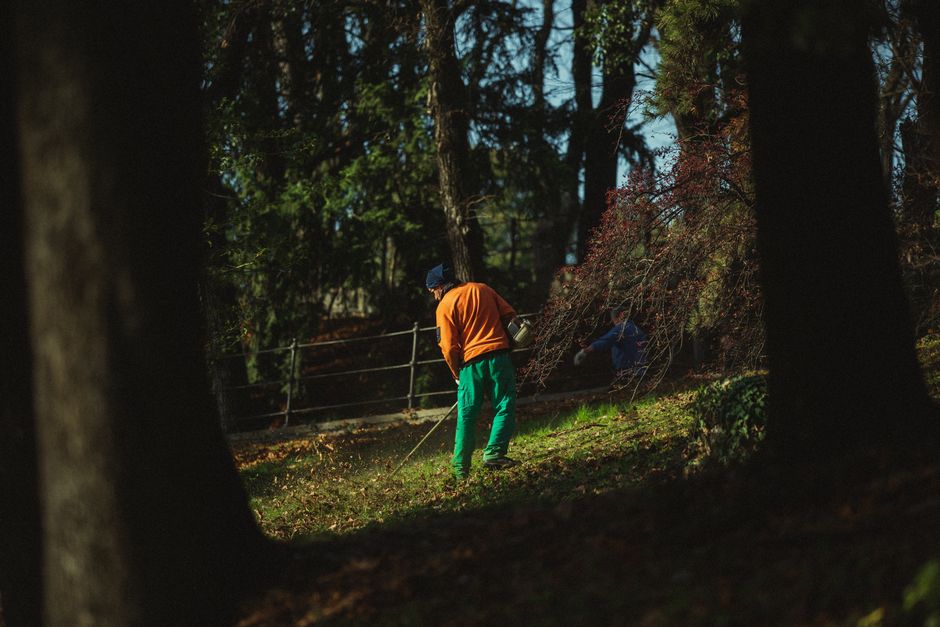
Ruskin Park gardeners for maintenance and planting: a practical guide for healthier, better-looking outdoor spaces
If your garden near Ruskin Park is starting to feel a little tired, patchy, or simply too much to keep up with, you are not alone. Between shifting seasons, hungry soil, weeds that arrive uninvited, and plants that need the right attention at the right time, maintenance can slip quickly. That is where Ruskin Park gardeners for maintenance and planting really earn their keep: steady care, sensible planting choices, and a plan that fits the space you actually have.
This guide breaks down what good garden maintenance and planting looks like in a London setting, how the process usually works, what results you can expect, and how to avoid the common mistakes that waste time and money. It also covers seasonal priorities, compliance and safety considerations, and the sorts of small decisions that make a very noticeable difference by spring. Truth be told, most gardens do not need miracles. They need consistency, a decent eye, and the right sequence of work.
Table of Contents
- Why Ruskin Park gardeners for maintenance and planting matters
- How Ruskin Park gardeners for maintenance and planting works
- Key benefits and practical advantages
- Who this is for and when it makes sense
- Step-by-step guidance
- Expert tips for better results
- Common mistakes to avoid
- Tools, resources and recommendations
- Law, compliance, standards, or best practice
- Options, methods, or comparison table
- Case study or real-world example
- Practical checklist
- Conclusion
- Frequently asked questions
Why Ruskin Park gardeners for maintenance and planting matters
Gardens in and around Ruskin Park face a familiar set of pressures: compact spaces, shaded corners, footfall from pets and children, occasional wind exposure, and soil that can be either heavily worked or oddly inconsistent from one bed to the next. A planting scheme that looked lovely in April can look a bit sorry for itself by August if nobody is maintaining the structure around it.
That is the practical reason local gardening support matters. Good maintenance keeps the backbone of the garden healthy. Good planting gives the space shape, seasonal interest, and resilience. Put the two together and you get something more than tidy borders. You get a garden that feels usable, balanced, and alive.
It also reduces the slow-build problems many homeowners miss at first glance. We are talking about weeds seeding themselves into paths, shrubs crowding out perennials, lawns thinning in repeated shaded patches, and soil becoming exhausted because nothing is feeding it back. If you want the garden to improve rather than just survive, maintenance and planting need to work as a pair.
For many people, the difference shows up in small everyday moments: opening the back door to a space that actually looks welcoming, being able to walk across the lawn without dodging clumps of moss, or seeing fresh planting settle in rather than fail after a few hopeful weeks. Small thing? Maybe. But these are the details people live with.
If you are also looking at the wider structure of your outdoor space, it can help to understand the relationship between routine care and specialist work. Pages like garden maintenance, gardening services, and lawn care sit neatly alongside planting decisions because they help define what your garden needs now, not just what it might need later.
How Ruskin Park gardeners for maintenance and planting works
In practice, maintenance and planting usually starts with an honest look at the garden as it is, not as you hope it will behave. That sounds obvious, but it matters. A sunny-looking corner may actually be shade for half the day. A bed that appears dry may be compacted. A hedge might be harbouring a bare patch underneath because roots have outgrown the space.
A sensible workflow usually runs like this:
- Initial assessment. The gardener inspects soil condition, light levels, drainage, existing planting, boundary issues, lawn health, and seasonal pressures.
- Priority setting. The most urgent tasks are separated from the nice-to-have ones. For example, clearing weeds and dead growth often comes before adding new plants.
- Maintenance reset. Borders are edged, beds weeded, shrubs pruned where appropriate, and the garden made ready for planting.
- Planting plan. Plants are selected based on shade, sun, moisture, size at maturity, maintenance load, and the overall look you want.
- Installation. New plants are positioned properly, watered in, mulched, and given enough space to establish.
- Aftercare. The first few weeks matter a lot. Watering, checking for wind rock, and spotting stress early can make or break success.
A good gardener is not just placing flowers where they look pretty on the day. They are thinking about next month, next winter, and the year after that. Which, let's face it, is where most of the value sits.
Seasonality shapes the work too. In spring, planting and soil preparation often take centre stage. In summer, maintenance may focus more on watering, deadheading, weeding, and keeping growth under control. In autumn, it is often about clearing, feeding, dividing, and preparing for the colder months. Winter is not a dead period either; it is where structure, pruning decisions, and protection work become important. For cold weather preparation, it can be useful to read about keeping plants safe during the winter months.
Key benefits and practical advantages
There are plenty of reasons people invest in regular garden maintenance and planting, but the real-world benefits are usually more grounded than people expect.
- Healthier plants: Proper planting depth, soil preparation, and aftercare help plants establish instead of struggling from day one.
- Better-looking borders: A balanced mix of evergreen structure and seasonal planting keeps the garden attractive for longer periods.
- Lower long-term effort: When beds are designed well, you spend less time fighting the garden and more time enjoying it.
- Improved resilience: Plant choices that suit shade, wind, and soil conditions tend to handle London conditions better.
- Cleaner edges and clearer structure: Maintenance restores shape, which makes even small gardens feel calmer and more deliberate.
- Reduced waste: Choosing the right plant for the right place avoids replacements, which is better for your budget and the planet.
There is also a less obvious advantage: good gardening work improves the way you use the space. A bed that is tidied and replanted properly can open up a path, frame a sitting area, or soften a fence line. That is where maintenance becomes design, and planting becomes part of how the garden functions rather than just how it looks.
If privacy, screening, or a bit of year-round cover is part of the brief, a local gardener may also recommend shrubs and climbers that work hard without becoming a nuisance. Articles such as quick-growing hedges for enhanced privacy and evergreen climbers for shade lovers are useful examples of the kind of planting ideas that can solve everyday problems elegantly.
Expert summary: The best garden maintenance does not just keep things neat. It creates conditions where new planting can thrive, old planting can recover, and the whole space becomes easier to manage over time.
Who this is for and when it makes sense
This kind of service is a strong fit for quite a few different situations. You do not need to have a huge garden or a neglected jungle to benefit. Sometimes a modest front or back garden just needs steady hands and decent plant choices.
- Busy homeowners who want a presentable outdoor space without constant weekend catch-up work.
- Landlords and property managers who need gardens kept neat for first impressions and rental value.
- Families who want durable planting, safer circulation routes, and less trip-hazard clutter.
- Older homeowners who prefer reliable maintenance rather than physically demanding jobs.
- New movers who have inherited an awkward or overgrown garden and want to make it usable fast.
- People planning a refresh before selling, hosting, or simply spending more time outside.
It also makes sense when a garden has reached that awkward middle stage. Not quite ruined, but not quite under control either. You know the sort. A few weeds here, a leaning shrub there, bare soil in one section, moss in another. It is not dramatic, but it nags at you every time you look out of the window.
If that sounds familiar, a restorative approach can help. A good starting point is understanding how to move a tired space back into shape, much like the ideas in turning a neglected garden into a stunning oasis. That article-style thinking is useful because it reminds you that recovery happens in stages, not overnight.
Step-by-step guidance
If you want to think like a gardener before the first spade goes in, here is the process in a straightforward way.
1. Assess the garden properly
Start with what the space is actually doing. Look at sun exposure, shade, drainage, existing plants, weed pressure, and soil texture. A border that gets afternoon shade will need very different planting than a bed baked by morning sun and reflected heat from walls or paving.
2. Clear, cut back, and reset
Remove dead growth, unwanted weeds, spent annuals, and anything diseased or collapsing. This is where the space starts breathing again. Sometimes you can hear it in a small way too: less rustling clutter, more open structure. A bit dramatic? Maybe. Still true.
3. Improve the soil
Healthy planting depends on soil that can hold moisture, drain properly, and support roots. That may mean adding compost, organic matter, or mulch. The point is not to make the soil look busy. The point is to make it work better.
4. Choose plants that suit the site
This is where many gardens go wrong. Pretty plants are not enough. You need plants that match the light, moisture, and maintenance level you can realistically keep up with. For low-input spaces, ground cover, evergreen structure, and tough perennials can be very effective. See also ground cover plants for UK gardens and how to achieve a low-maintenance garden on a budget.
5. Plant with spacing in mind
It is tempting to squeeze in more plants than the space can hold. Most of the time, that creates future crowding and extra pruning. Give each plant room to reach maturity. The garden will look lighter at first, then fuller in a better way later.
6. Water in and protect the new planting
Freshly planted specimens need steady moisture while their roots settle. In exposed spots, staking or temporary protection may be useful. Newly planted shrubs that are wobbling in the wind tend to struggle, and once roots are disturbed, recovery is slower than people expect.
7. Build a maintenance rhythm
This is the part that keeps the improvements alive. A regular routine might include weeding, deadheading, trimming, checking ties, feeding if needed, and seasonal cutbacks. If the garden includes hedges, a tidy shape may be part of the plan too, which is where pages like hedge trimming in Denmark Hill and hedge trimming shapes and strategies become especially relevant.
Expert tips for better results
Here is where experience helps. Little choices, repeated well, tend to produce the best gardens.
- Plant for structure first, flowers second. Evergreen shrubs, grasses, and climbers keep the garden looking settled even when the colourful planting fades.
- Use mulch generously. It helps keep weeds down and moisture in, which means less scrabbling about later.
- Do not ignore shade. London gardens often have pockets of shade that can be turned into beautiful features rather than awkward dead zones.
- Mix heights deliberately. Repeating the same plant height across a border can flatten the whole design.
- Keep one eye on the weather. Strong wind, sudden frost, and heat spikes can all affect planting success, especially with young plants.
- Work from the edge inward. Borders, paths, and boundaries create the frame. Get those right, and the rest feels easier.
If you want more shade-friendly ideas, browse evergreen climbers for shady spots. For gardeners who care about sustainability, the article on sustainable gardening and climate solutions is a good reminder that small changes, such as composting and smarter watering, really do add up.
A slightly old-fashioned but very useful tip: step back. Often. A border can look fine when you are standing inside it and oddly lopsided from the patio. A quick walk-around often reveals what needs thinning, shifting, or repeating. Simple, but it works.
Common mistakes to avoid
Most disappointing gardens are not the result of one huge error. They are the result of several small ones made in a row. The good news? They are avoidable.
- Choosing plants only by appearance. A lovely plant that hates the site will become a chore.
- Overplanting. Crowding leads to competition for light, water, and nutrients.
- Skipping soil preparation. If the ground is poor, the planting will tell on itself pretty quickly.
- Ignoring the first few weeks after planting. Early aftercare is critical, especially in dry or windy weather.
- Letting weeds establish before acting. Small weeds are easy. Big weeds, not so much.
- Pruning at the wrong time. Some shrubs and climbers respond badly to heavy cutting at the wrong stage of growth.
- Forgetting the overall shape. A garden can be full of healthy plants and still feel messy if the structure is not maintained.
There is a funny little trap here: once a garden has a few healthy plants, people sometimes stop looking at the gaps. Then the weeds move in, naturally. Gardens do not mind being neglected for a week or two, but they do tend to notice.
If your issue is weed pressure specifically, it is worth reading about three key weed management strategies. And if the garden is facing rough weather, protecting green spaces from severe weather is a practical place to start.
Tools, resources and recommendations
You do not need a shed full of expensive gear to maintain a garden well. That said, the right tools make work cleaner, safer, and less frustrating.
| Category | Useful items | Why they help |
|---|---|---|
| Cutting and trimming | Secateurs, loppers, hedge trimmer | Keep growth tidy, remove dead material, and shape shrubs |
| Soil work | Spade, fork, hand trowel, compost fork | Improve beds, plant properly, and loosen compacted ground |
| Watering | Watering can, hose, soak hose, mulch | Help new plants establish and reduce stress in dry spells |
| Weed control | Hand weeder, hoe, mulch, kneeler | Manage weeds before they take hold |
| General care | Gloves, plant ties, labels, wheelbarrow | Make maintenance safer and more organised |
For some spaces, containers can be part of the answer, especially where soil is poor or the garden is mostly paved. If that sounds familiar, container gardening is a useful route to explore. It gives you more control over compost, drainage, and placement, which can be a real advantage in tight London gardens.
Other practical reading can help you match style to space. For example, if you are building in a more serene or structured feel, zen gardening techniques may suit. If space is tight and you want to use height instead of width, space-saving vertical gardening is well worth a look.
A sensible final recommendation: do not buy tools or plants before understanding the site. It sounds backwards, but it saves money. A quick consultation, or even a detailed walk-around with notes and photos, usually pays for itself in avoided mistakes.
Law, compliance, standards, or best practice
For most domestic garden work, the main concern is not legal complexity so much as safe, responsible practice. That includes using tools correctly, handling waste properly, and avoiding work that could damage shared boundaries, trees, or surfaces.
If you are dealing with trees, major pruning, or anything close to a boundary dispute, caution matters. Tree-related work can have safety implications, and in some cases professional assessment is the sensible option. Likewise, if a garden includes fencing, hard landscaping, decking, or patios, it is worth checking that any repair or installation work is planned carefully so water flow, access, and structural issues are not made worse. Services such as tree surgery, fencing, decking services, landscaping, and patio cleaning are often part of the bigger picture.
Best practice also includes health and safety basics: clear work areas, safe use of ladders and cutting tools, proper lifting, and care around slippery surfaces or hidden obstacles. If you are hiring help, it is sensible to understand the provider's approach to health and safety and whether they have suitable insurance and safety measures in place.
Payment, privacy, and terms also matter more than many people expect. A clear process reduces awkwardness later, especially if jobs are staged over several visits. Pages such as pricing and quotes, payment and security, terms and conditions, and privacy policy are useful reference points for setting expectations before any work starts.
Options, methods, or comparison table
Not every garden needs the same approach. The right method depends on your budget, time, and how quickly you want the space to change.
| Approach | Best for | Pros | Trade-offs |
|---|---|---|---|
| One-off tidy and planting refresh | Overgrown or unloved gardens needing a reset | Fast visual improvement, good for seasonal lifts | Needs follow-up maintenance to last |
| Regular maintenance visits | Busy households and rental properties | Reliable, keeps growth under control, prevents decline | Ongoing cost and scheduling |
| Planting-led redesign | Spaces that feel bare, awkward, or poorly zoned | Transforms appearance and function | May need time for plants to mature |
| Low-maintenance planting scheme | People who want less upkeep | Less weeding and watering, more resilience | Can feel slower to establish visually |
There is no universally "best" option. A front garden that just needs structure and curb appeal may benefit from a different approach than a back garden with poor drainage and a tired lawn. If your lawn is part of the problem, it may be worth combining broader maintenance with lawn mowing and lawn care so the garden starts to look cohesive again.
Case study or real-world example
A fairly typical Ruskin Park garden might be a small rear space with a narrow lawn, a couple of border beds, and a fence line that has seen better days. The owner wants more colour, less mess, and something that can be managed without spending every weekend on it.
In a case like that, the first visit usually focuses on clearing and assessing. The borders may reveal compacted soil, a couple of dominant shrubs, and pockets of shade that were hiding under overgrowth. Rather than filling the garden with random new plants, the planting plan might use a few reliable evergreens for structure, some seasonal perennials for movement, and ground cover to reduce bare soil and suppress weeds.
After planting, the difference is not just visual. The space becomes easier to read. Paths are clearer. The borders look deliberate. The lawn has room to breathe. A seating corner suddenly feels like an actual place rather than a spare patch of paving. If you want to picture that kind of transformation, the article on comfortable seating in your garden offers a nice reminder that layout and planting go hand in hand.
In our experience, the biggest wins usually come from restraint. A small number of the right plants, properly placed, often outperforms a crowded bed packed with hopeful purchases. Gardens breathe better that way. So do the people using them.
Practical checklist
Use this quick checklist before starting or booking maintenance and planting work:
- Check which areas get full sun, partial shade, or deep shade.
- Walk the garden after rain to spot drainage problems.
- Identify plants you want to keep, move, or remove.
- Decide whether the main goal is tidiness, colour, privacy, or lower maintenance.
- Make a note of any pets, children, or access needs that affect the layout.
- Clear out broken pots, dead growth, and obvious debris first.
- Feed or improve soil before planting where needed.
- Choose plants that suit the space rather than forcing a style onto it.
- Allow enough room for mature growth.
- Plan aftercare for the first few weeks after planting.
- Confirm the maintenance rhythm you can realistically keep up with.
- Review any safety, insurance, or access concerns before work begins.
If you are creating a more family-friendly outdoor space, you may also want to think about child-safe layouts and durable planting. These articles may help: crafting a safe and fun garden for children and creating a kid-approved outdoor space. For dog owners, the practical ideas in a dog-loving garden can help avoid a few avoidable headaches.
Conclusion
Ruskin Park gardeners for maintenance and planting are most valuable when they treat the garden as a living system rather than a one-time project. Maintenance keeps the structure healthy. Planting gives the space identity, colour, and rhythm. Together, they create a garden that feels calmer, lasts longer, and asks less of you over time.
The best results usually come from clear priorities, realistic plant choices, and regular care rather than dramatic overhauls. Start with the right foundations, and the rest becomes much easier. That is the quiet magic of good gardening, really.
Get a free quote today and see how much you can save.
If you are ready to take the next step, learn more about the team behind the work on the about us page or make an enquiry through the contact page. A short conversation now can save a lot of guesswork later, and that alone is worth it.
Frequently Asked Questions
What do Ruskin Park gardeners for maintenance and planting usually include?
They typically cover garden tidying, weeding, pruning, soil preparation, planting, mulching, seasonal care, and keeping borders, lawns, and beds in good shape. The exact mix depends on the garden's condition and what you want to achieve.
How often should garden maintenance be done?
That depends on the size of the garden, the planting style, and the time of year. In many domestic gardens, regular visits during the growing season are helpful, while quieter winter months may need less frequent work.
Is planting better done in spring or autumn?
Both can work well. Spring is popular for fresh growth and visible colour, while autumn can be excellent for root establishment. The best timing depends on the plant type and the weather conditions.
Can a gardener help make a low-maintenance garden?
Yes. In fact, that is one of the most useful things a gardener can do. By choosing resilient plants, improving soil, and reducing high-maintenance features, they can make ongoing care much easier.
What if my garden has a lot of shade?
Shade is not a dead end. It just needs the right planting strategy. Shade-tolerant climbers, evergreen structure, and carefully chosen ground cover can turn a difficult area into one of the nicest parts of the garden.
Do I need to clear the garden before a gardener arrives?
Not necessarily. If access is safe, a gardener can usually begin with clearing and assessment. That said, removing obvious clutter, toys, or loose items can help the work start more smoothly.
How can I stop new plants from failing after planting?
Focus on good soil, correct spacing, proper watering, and protection from wind or drought during the early weeks. New planting often fails because aftercare is inconsistent, not because the plant was bad.
What is the difference between maintenance and planting?
Maintenance keeps what you already have healthy and tidy. Planting adds or replaces plant material to improve appearance, structure, or function. The best gardens need both.
Should I choose evergreen or seasonal planting?
Most gardens benefit from a mix. Evergreens provide structure in winter and help the garden feel stable, while seasonal plants bring colour, softness, and change through the year.
Can garden work be planned around children or pets?
Absolutely. It is smart to choose durable plants, safer layouts, and clear paths if children or pets use the space. Some plant choices are simply better suited to lived-in family gardens than delicate alternatives.
How do I know if a garden needs professional help?
If the garden is outgrowing your available time, if planting keeps failing, or if the layout no longer works, professional help can save time and reduce costly trial and error. A fresh set of eyes usually spots issues quickly.
Where should I start if the garden feels overwhelming?
Start with the worst problem first: weeds, dead growth, poor soil, or damaged planting. Once the biggest obstacle is out of the way, the rest feels much more manageable. One step at a time, honestly.