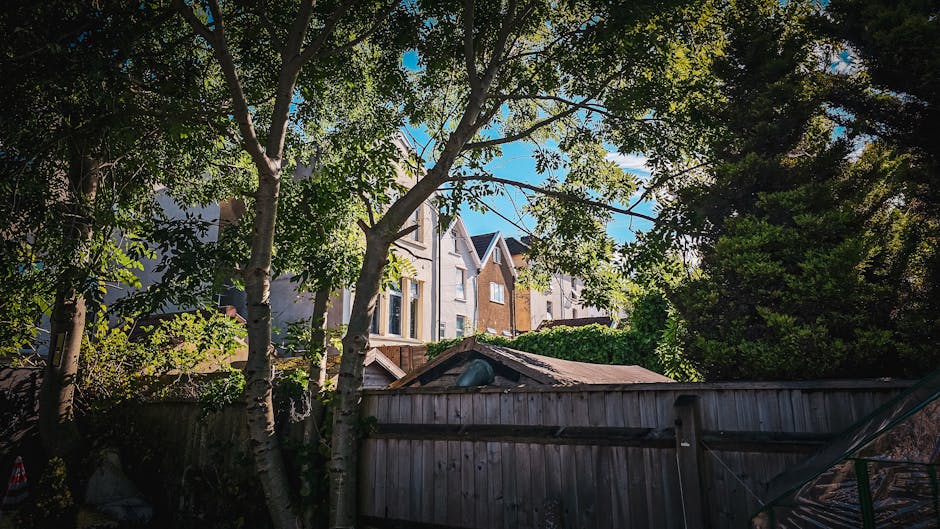
Gardeners for Dulwich Park homes in Denmark Hill
If you live near Dulwich Park and your garden in Denmark Hill feels a bit tired, overgrown, or simply hard to keep on top of, you are not alone. Busy London routines, changing weather, shady corners, and compact plots can make outdoor spaces feel more demanding than rewarding. That is exactly where Gardeners for Dulwich Park homes in Denmark Hill can make a real difference: steady, thoughtful help that turns a garden from "must do later" into a space you actually enjoy. This guide explains what local gardening support involves, how it works, what to expect, and how to choose the right approach for your home.
Whether you need routine upkeep, a clearer layout, better planting, or help tackling a garden that has gone a bit wild after winter, the right plan can save time and reduce stress. And truth be told, it usually saves money too, because problems get handled before they snowball.
Table of Contents
- Why it matters
- How it works
- Key benefits and practical advantages
- Who this is for and when it makes sense
- Step-by-step guidance
- Expert tips for better results
- Common mistakes to avoid
- Tools, resources and recommendations
- Law, compliance, standards, or best practice
- Options and methods comparison
- Case study or real-world example
- Practical checklist
- Conclusion
- Frequently asked questions
Why Gardeners for Dulwich Park homes in Denmark Hill Matters
Gardens around Dulwich Park and Denmark Hill often sit at the meeting point of several pressures: mature trees that create shade, boundary planting that needs regular control, compact town gardens where every metre matters, and exposed corners that can feel wind-swept in colder months. Add climbing plants, patchy lawns, and paving that gathers moss after wet weather, and the upkeep can become more involved than many homeowners expect.
A good local gardener is not just someone who cuts things back and leaves. The better approach is more considered. It starts with understanding how your space is used, how much time you want to spend on it, and what kind of maintenance will actually be realistic through the year. For some households that means a neat, low-fuss layout. For others it is about preserving privacy, creating somewhere for children to play, or making a small garden feel calmer and more welcoming.
One of the biggest reasons local expertise matters is that not every garden behaves the same way. A sheltered courtyard may struggle with damp and poor air flow. A front garden might need structure and curb appeal. A back garden close to mature trees may need shade-tolerant planting. If you want a genuinely useful result, a one-size-fits-all answer is rarely enough.
Expert summary: The best garden care near Dulwich Park is practical, seasonal, and tailored. Good gardeners solve current problems, but they also stop the same problems coming back every few weeks. That is the difference between a tidy patch and a garden that stays manageable.
How Gardeners for Dulwich Park homes in Denmark Hill Works
In simple terms, the process usually starts with a walk-through or an initial discussion about your goals. You may want a full garden reset, regular maintenance, hedge trimming, lawn care, or help with a more specific issue like overgrown ivy, poor drainage, or a patio that has lost its clean finish. From there, the work is planned around priority, season, and budget.
For many homes, a sensible approach is to divide the garden into zones. The lawn gets one kind of care. Borders get another. Hedging, climbing plants, and trees are assessed separately because they each grow and fail in different ways. That sounds obvious, but it is often missed. A border can look fine from the window while being full of congested roots underneath. A hedge can seem tidy enough until you notice it is blocking light or creeping over a path.
There is also the rhythm of the year to consider. Spring usually brings growth, planting, and recovery work. Summer is for control, watering, and keeping things looking sharp. Autumn is often about clearing, cutting back, and preparing for tougher conditions. Winter, well, winter can be a bit rude to gardens in London - rain, frost, and wind have their own opinions. A good maintenance plan takes that into account rather than reacting once everything has already gone soft or messy.
For homeowners comparing options, it can help to look at supporting services as part of a wider maintenance picture. For example, if a boundary hedge is becoming unwieldy, a dedicated approach to hedge trimming in Denmark Hill may be the most efficient first step. Likewise, if the whole garden needs care rather than one feature, a broader garden maintenance plan usually works better than lots of one-off fixes.
Key Benefits and Practical Advantages
There is a very practical reason people invest in regular gardening help: it prevents small issues from turning into weekend-ruining jobs. A few weeds left too long can seed everywhere. A hedge trimmed late can lose shape and take longer to recover. A lawn that is cut poorly in wet conditions can become patchy and stressed. Garden care is often about timing, not just effort.
- More usable space: Clearing clutter, controlling growth, and improving structure makes the garden feel bigger.
- Better appearance: Tidy edges, balanced planting, and clean hard surfaces lift the whole property.
- Less ongoing stress: With a maintenance plan, you are not constantly starting from scratch.
- Healthier planting: Pruning, feeding, mulching, and seasonal checks support stronger growth.
- Safer access: Clear paths, controlled roots, and stable surfaces reduce trip hazards.
There is also the comfort factor. Let's face it, a garden that feels slightly chaotic can weigh on you mentally. You glance at it from the kitchen window and think, "I'll deal with that at the weekend," and then the weekend disappears. A good gardener breaks that cycle. Even small improvements can make the whole space feel easier to live with.
If your aim is a lower-maintenance garden, there are smart ways to get there without stripping everything out. Ground covers can reduce bare soil and weeds, climbers can add height without using much room, and container planting can make awkward areas more flexible. Our guide to achieving a low-maintenance garden on a shoestring budget is a useful companion if you are working within a tight budget.
Who This Is For and When It Makes Sense
This kind of local gardening support makes sense for a lot of different households. Some people simply do not have time. Others have the time but not the tools, not the know-how, or not the back for lifting bags of compost about on a damp Tuesday morning. That is fair enough.
You may be a good fit if:
- your garden has become overgrown after a long break from maintenance
- you want regular help rather than occasional emergency tidying
- your lawn looks tired, patchy, or uneven
- hedges and shrubs are blocking light or spilling into paths
- you have a small London garden that needs careful planning
- you want a family-friendly or pet-friendly outdoor space
- you are preparing a property for sale or new tenants
It also makes sense if you have already tried the DIY route and realised that some jobs are more involved than they first looked. Patio cleaning, tree pruning, and fencing work can be deceptively time-consuming. A simple-looking boundary trim can easily become a half-day of ladders, clippings, and "why did I start this?" moments.
For some homeowners, the trigger is seasonal. Winter damage, spring growth surges, or summer dryness can expose weak points in the garden. If that sounds familiar, the article on keeping plants safe during the winter months is worth a look, especially if your planting tends to suffer after cold snaps.
Step-by-Step Guidance
If you are working out how to approach your garden in a sensible way, this process keeps things grounded. No drama, no guesswork.
- Walk the whole garden slowly. Look at what is actually causing the most frustration. Is it weeds, shade, poor drainage, overgrowth, a worn lawn, or a lack of structure?
- Separate urgent jobs from cosmetic ones. Safety and access come first. Broken fencing, unstable branches, and slippery paving matter more than decorative changes.
- Decide what should be maintained, reduced, or replaced. Some plants only need pruning. Others have simply outgrown the space and should be rethought.
- Set a realistic maintenance rhythm. Weekly, fortnightly, or seasonal care each has a different feel. Pick the one you can sustain.
- Match the right service to the right problem. Lawn work, hedge work, tree work, and hard-surface cleaning are different jobs with different tools.
- Keep the garden usable while improvements happen. A good plan avoids blocking access or creating more mess than necessary.
- Review results after a few weeks. Healthy gardens change. What looked right in early spring may need a tweak by midsummer.
A simple example: if the lawn is thin but the borders are thriving, do not rip everything out. Improve the lawn care, define the edges, and keep the best planting. Likewise, if the back boundary is a mess, it might make more sense to focus on hedge control and privacy first, then circle back to planting later. Build in layers. Gardens respond better that way.
For greener thinking, composting and soil improvement also matter. If your soil has become tired, the guide on turning refuse into rich soil offers a practical mindset for improving plant health from the ground up.
Expert Tips for Better Results
There are a few habits that make a noticeable difference, and most of them are unglamorous. That is gardening for you. The magic is often in the routine.
- Trim a little and often. Small, regular hedge cuts usually look better than heavy rescue cuts.
- Work with shade instead of fighting it. Some gardens near mature trees simply need plants that tolerate lower light. Shade-loving climbers can be excellent in the right spot, as explored in brighten-dark-corners evergreen climbers for shade lovers.
- Use height where floor space is tight. Vertical planting and climbing structures can give you more impact without crowding paths.
- Keep an eye on water movement. Damp patches, moss, or pooling after rain usually point to drainage or compaction issues.
- Choose plants with a purpose. Privacy, wildlife value, scent, shade, or seasonal colour - every plant should earn its place.
- Do not ignore hard landscaping. Paving, decking, and fencing affect how the garden feels just as much as the planting does.
One useful mindset is to think in "after the rain" terms. A garden can look perfectly lovely in dry weather and then become a slippery, weedy nuisance when it is wet. In London, that test matters. You want the garden to work on an ordinary Tuesday morning, not just on the first sunny bank holiday of the year.
If your garden is also used for relaxing or entertaining, comfort matters more than people admit. A well-placed seating area, some screen planting, and a clean patio can change how often you use the space. For ideas, see comfortable seating in your garden.
Common Mistakes to Avoid
Most garden problems do not arrive all at once. They build. Quietly. Then one day the hedge is too tall, the path is mossy, and the lawn has the resilience of a wet carpet.
- Cutting too hard in one go: Many shrubs and hedges respond better to gradual shaping than dramatic reduction.
- Using the wrong plant for the light: A sunny-border plant shoved into dense shade will always struggle.
- Ignoring ivy or climbers for too long: Attractive growth can become structural trouble if left unchecked. If this sounds familiar, steps for an ivy-free garden are worth reading.
- Overwatering or underwatering during hot spells: Container plants are especially vulnerable here.
- Leaving weeds until they seed: You are then solving next month's problem today.
- Forgetting the garden's edges: Borders, fence lines, and side returns often get neglected first.
- Choosing looks over practicality every time: Beautiful planting is great, but it also has to fit your time, light, and budget.
And yes, many people forget that a garden needs a maintenance plan, not just a makeover. That is a common one. It looks brilliant for two weeks and then the wheels wobble a bit. If you want a more sustainable result, combine design decisions with ongoing care from the beginning.
Tools, Resources and Recommendations
You do not need a shed full of expensive equipment to keep a London garden under control, but the right tools do matter. A decent pair of secateurs, a sharp hedge trimmer, a sturdy rake, pruning saws for larger woody stems, and proper gloves can make day-to-day care much easier. For larger or more technical tasks, professional equipment is usually safer and more efficient.
For homeowners deciding what to prioritise, these service areas are often relevant:
- lawn care for thinning grass, feeding, edging, and recovery
- lawn mowing when regular cutting is the main issue
- patio cleaning for slippery or stained hard surfaces
- tree surgery for larger, risk-sensitive work
- fencing when boundaries are damaged, leaning, or no longer giving privacy
- landscaping when the layout itself needs a rethink
- decking services when you want a more usable outdoor seating area
There are also practical reading resources that help you make smarter choices. Container growing can be a brilliant option for smaller plots, especially if you want flexibility. You can explore that in container gardening. If you want more impact in a tight space, vertical planting is another sensible route, and space-saving vertical gardening is a useful starting point.
One more thing: if you are collecting clippings, leaves, and organic waste, handling it well matters. Good garden waste habits support better soil over time, and the article on refuse-to-rich-soil is a handy reminder that "waste" can become a useful resource.
Law, Compliance, Standards, or Best Practice
For most domestic gardening work, the main concern is not complicated regulation so much as working safely, responsibly, and in a way that protects people, property, and neighbouring gardens. In practice, that means sensible handling of tools, proper care around ladders and power equipment, and attention to hazards like low branches, hidden stones, damp paving, or unstable fences.
Where tree work, high hedges, or structural issues are involved, good practice becomes especially important. Large branches, cracked timber, and awkward access can turn routine work into something that should be assessed carefully before a spade is lifted. It is also sensible for any contractor to carry appropriate insurance and follow a clear health and safety process. If you want to understand that side of things better, the pages on insurance and safety and the health and safety policy are relevant reading.
For customers, a few best-practice checks are worth making:
- ask how work will be carried out safely
- confirm what is included in the scope
- make sure access arrangements are clear
- understand how waste and debris will be handled
- check how pricing and payment are explained
It is also sensible to know how complaints, terms, and payment handling are managed before work begins. That is not being fussy. That is just good sense. The relevant pages are complaints procedure, terms and conditions, payment and security, and pricing and quotes.
Options, Methods, or Comparison Table
If you are deciding how to tackle your garden, it helps to compare the most common approaches. The right choice depends on time, budget, the size of the space, and how much of the work you want to manage yourself.
| Approach | Best for | Strengths | Trade-offs |
|---|---|---|---|
| One-off tidy-up | Overgrown gardens, seasonal reset, pre-sale refresh | Fast visible improvement, good for urgent problems | Can slide back if nothing follows it up |
| Regular maintenance | Busy households, rental properties, gardens that need consistency | Keeps growth under control, easier to budget for | Less dramatic before-and-after transformation |
| Targeted service only | Specific issues like hedge trimming, lawn work, patio cleaning | Cost-effective, focused, practical | Does not solve wider layout or planting problems |
| Full redesign or landscaping | Gardens with poor flow, weak structure, or recurring use problems | Can transform how the space functions | Needs more planning, and usually a bigger budget |
In many real-world cases, the best answer is a mix. A hedge might need shaping now, the lawn might need recovery next month, and the layout may need longer-term planning later. No shame in that at all.
Case Study or Real-World Example
Imagine a typical Denmark Hill garden near Dulwich Park: narrow side access, a small lawn, a rear hedge, a paved sitting area, and a few tired beds under light shade. Over winter, the hedge has grown loose, the patio has picked up a green film, and the lawn has developed a few thin patches where footsteps and shade have done their work.
The homeowner does not want a complete redesign. They want the space to feel calm, tidy, and easy to use again. A sensible plan would look something like this:
- trim and shape the hedge to restore light and privacy balance
- clean the patio so it feels safer and more welcoming
- clear weeds from border edges before they spread
- improve the lawn with feeding, levelling, and better cutting habits
- swap one awkward bed for a container area to reduce maintenance
That sort of change may not sound glamorous on paper, but in person it can be a huge lift. The garden starts to feel like part of the house again. Morning coffee outside. A child can cross the path without dodging clutter. The hedge no longer leans into the neighbour's light. Small wins, really, but they matter.
If the garden also needs privacy or boundary screening, fast-growing hedge ideas may be part of the answer. The guide on quick-growing hedges for enhanced privacy is useful if that is one of your priorities.
Practical Checklist
Before booking work or starting your own maintenance plan, use this checklist to stay focused.
- Identify the main problem: weeds, hedge growth, lawn condition, shade, clutter, or drainage
- Decide whether you need one-off help or regular garden maintenance
- Note any safety concerns such as loose fencing, slippery paving, or awkward branches
- Check which areas need privacy, screening, or better layout
- Separate soft landscaping needs from hard landscaping needs
- Think about how much time you can realistically spend each month
- Choose plants and materials that suit shade, wind, and local conditions
- Ask how waste, clippings, and debris will be removed or handled
- Review pricing, payment, and service scope before work begins
- Set one small target for the next 30 days, not ten targets at once
Quick takeaway: if you are unsure where to begin, start with the area that frustrates you most every time you look outside. That emotional clue is usually practical too.
For a more complete service overview, you may also want to read about gardening services and learn more about the team and approach.
Get a free quote today and see how much you can save.
Conclusion
Gardeners for Dulwich Park homes in Denmark Hill are about more than tidy borders and freshly cut grass. They bring structure, consistency, and a calmer relationship with your outdoor space. That matters whether your garden is a small courtyard, a family back garden, or a more mature plot that needs regular attention.
The best results usually come from a simple idea: match the work to the garden's real needs, not just the most obvious mess. Trim the hedge if it is swallowing light. Improve the lawn if it is looking exhausted. Clean the patio if it has turned slippery. Rework the layout if the space never quite flows. Bit by bit, the garden starts to work for you rather than against you.
And honestly, that is the goal. A garden should not feel like another job waiting at the edge of the week. It should feel like a place you can step into, breathe a little easier, and enjoy. Even on an ordinary day, especially on an ordinary day.
Frequently Asked Questions
What do gardeners for Dulwich Park homes in Denmark Hill usually help with?
They often handle garden maintenance, lawn mowing, hedge trimming, weed control, patio cleaning, planting, and general tidy-ups. Some also help with bigger projects such as landscaping, fencing, or tree work when needed.
How often should a garden near Dulwich Park be maintained?
That depends on the size of the space and how fast things grow. Many gardens benefit from fortnightly or monthly attention during the main growing season, then lighter seasonal work at other times.
Is regular garden maintenance better than one-off visits?
Usually, yes, if you want the garden to stay under control. One-off visits are useful for resets or urgent problems, but regular visits tend to prevent the same issues coming back again and again.
Can a small garden still benefit from professional gardening help?
Absolutely. Small gardens can be surprisingly demanding, especially if they have shade, awkward boundaries, or too many competing features. Good planning can make a compact space feel much more usable.
What should I ask before booking gardening work?
Ask what is included, how long the work will take, whether waste removal is covered, how access will be handled, and what the pricing structure looks like. Clear answers at the start prevent confusion later.
Do I need hedge trimming every year?
Many hedges need at least annual attention, and some faster growers need more frequent shaping. The right schedule depends on the species, the size of the hedge, and whether you want a formal or relaxed look.
What if my garden is very overgrown?
That is common. A sensible approach is usually to clear, prune, and restore structure first, then move into routine maintenance. It is often better to tackle an overgrown garden in stages rather than trying to fix everything in one weekend.
Can gardening help improve privacy?
Yes. Hedges, climbers, and layered planting can all soften views and create screening. In smaller London gardens, privacy planting is often one of the smartest improvements you can make.
Are patio cleaning and lawn care worth prioritising?
Very often, yes. Clean hard surfaces improve safety and appearance, while a healthier lawn makes the whole garden feel more looked after. Those two areas are usually noticed first.
What is the difference between landscaping and maintenance?
Maintenance keeps the garden in good condition. Landscaping changes the layout, structure, or hard features of the space. If the garden works poorly, landscaping may be needed; if it is already usable, maintenance may be enough.
How do I make a low-maintenance garden without losing interest?
Use resilient planting, reduce awkward edges, add ground cover, and keep the layout simple. You can still have colour, texture, and seasonal variation - just with less hassle. The trick is choosing plants and features that suit your real lifestyle.
Where can I learn more before booking?
It helps to explore the related guidance on seasonal care, low-maintenance ideas, privacy planting, and garden recovery. If you are ready to move forward, the most useful next step is usually a straightforward conversation about your space and priorities.